5 Reasons Why Small Farms Don’t Just Feed People
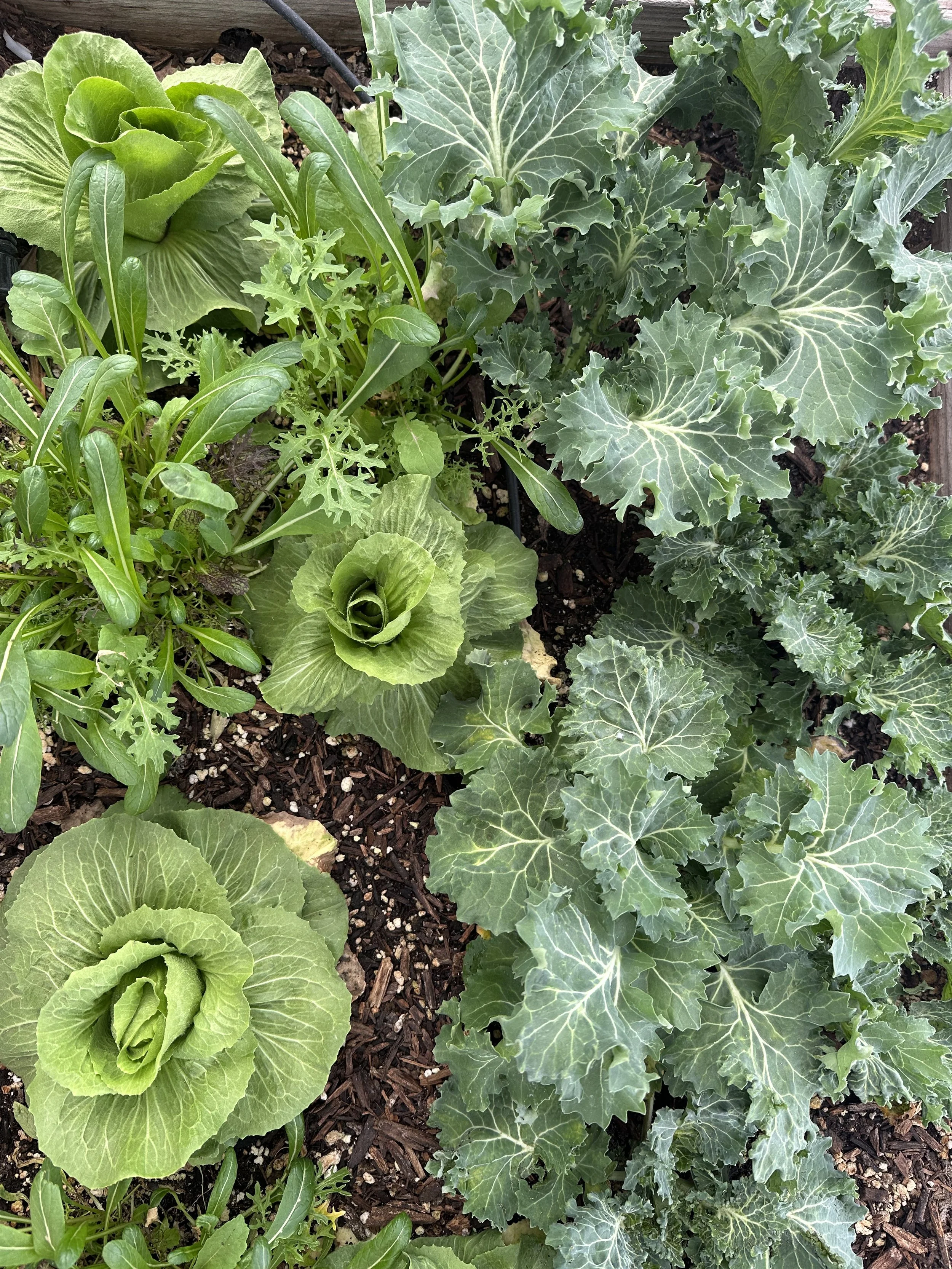
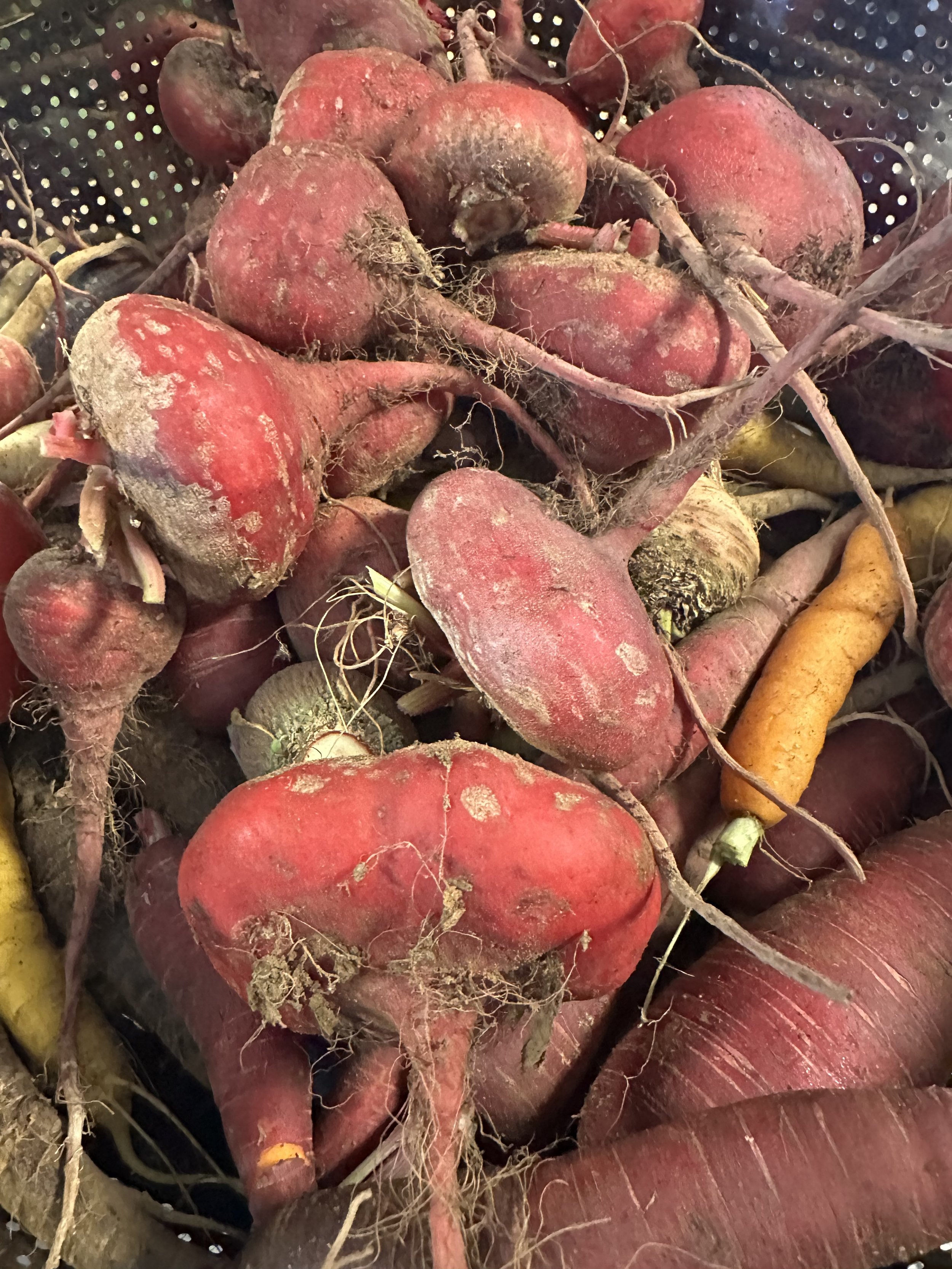
Supporting small-scale local farms isn’t only about buying food it’s about investing in a more resilient, ethical and sustainable food system. Small scale farms grow real food for local communities unlike industrial farms that often grow monocultures like corn or soy. Small scale farming is overall better for the earth and the people. Small local farms preserve biodiversity, regenerate the environment, support local economies, promote food sovereignty and rewild the land.
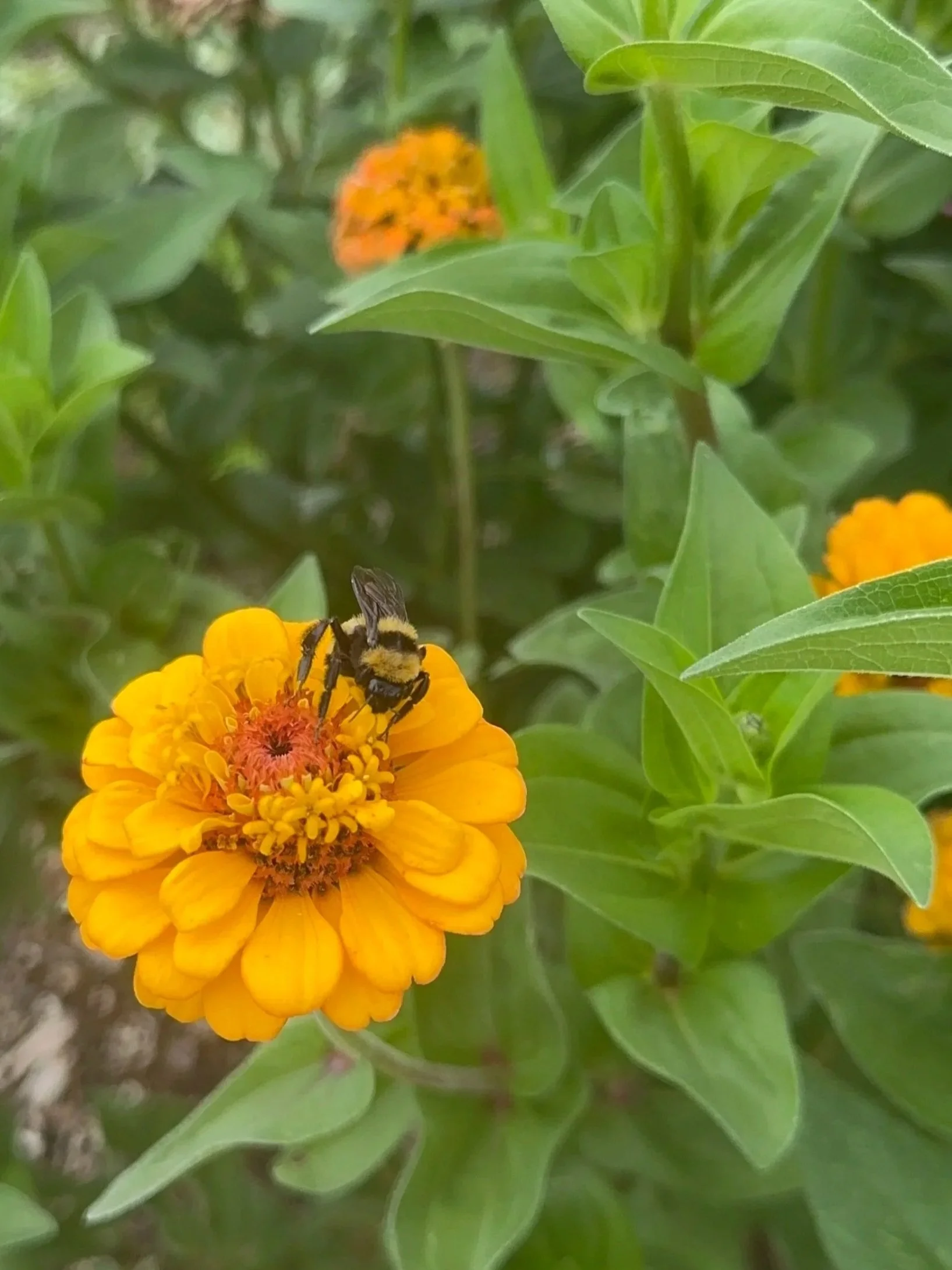
Preserve biodiversity
Small scale farms are often ecological farms who improve restoration habitat for loss of biodiversity. They create spaces that are holding water and create habitats for all the living creatures like amphibians, birds, insects and pollinators. Small farms have flowers, trees, hedgerows and ponds and do not practice monoculture farming. Small farms grow a wide variety of crops, protect genetic diversity, support pollinators and native species and build ecosystem resilience to pests.
Regenerate the environment
Small scale farms often use sustainable practices like crop rotation, organic fertilizers, and no pesticide use. These methods protect the soil health, water resources, and biodiversity. Small farms are frontline defenders of ecosystems. Small farms that practice organic and regenerative methods reduce soil erosion, conserve water, and preserve the long-term soil health. Diverse cropping improves the soil instead of depleting it. It goes beyond sustainability and rebuilds degraded soils, habitats and water cycles. Regeneration refers to healing the land by restoring ecosystems so they can function naturally again.
Support local economies
Small local farms keep money in your local economy and community. They create jobs for local workers and often support local suppliers and small businesses in their community. Keeping profits in the community helps sustain vibrant, self-reliant local economies. They also keep land in the hands of people and not corporations. Buying food from small local farms also means that food is harvested at peak ripeness and doesn’t travel thousands of miles, reducing the carbon footprint. Shorter time between harvest and table means fresher, better flavor and higher nutrient content!
Promote Food Sovereignty
Producing food locally increases food security and reduces dependency on global supply chains. Small scale farms provide reliable local food sources in the community and can adapt quickly to local needs and crises. They preserve traditional knowledge, crops and practices including indigenous farming methods, heirloom seed varieties, regional food customs and they maintain a living connection to cultural heritage. Also, you can see where your food comes from, which builds trust, and knowing your farmer restores a sense of place and relationship to food and your community.
Rewild the land
Rewilding the land is to restore natural ecosystems to their original uncultivated state. Small farms often incorporate practices that support rewilding of the land. Letting nature lead and allowing ecological processes to occur without human interference like mowing, plowing, and spraying pesticides helps to rebuild soil and water systems. Restoring wetlands, forests, prairies and watersheds can help revive biodiversity and fight climate change by sequestering carbon and regulating temperature and rainfall. Healthy soils and wetlands absorb water more effectively. Rewilded land supports cultural and overall mental health as well. Wild spaces contribute to human well-being and reconnect us with the natural world.
Don’t know how/where to start?
Support your local small farmers and know where your food comes from. Buy food that is in season, not sprayed with pesticides and that is grown with love and care, integrity and intention. At home, you can start by growing a few items that you enjoy eating, leave a corner of your yard untouched, plant native species and stop spraying pesticides. In the community, you can support local land trusts, advocate for green corridors and wild parks, join a garden club and share seeds and plants with your neighbors and friends. Get outside and interact with nature and reframe your minds and reset your hearts. We are nature!
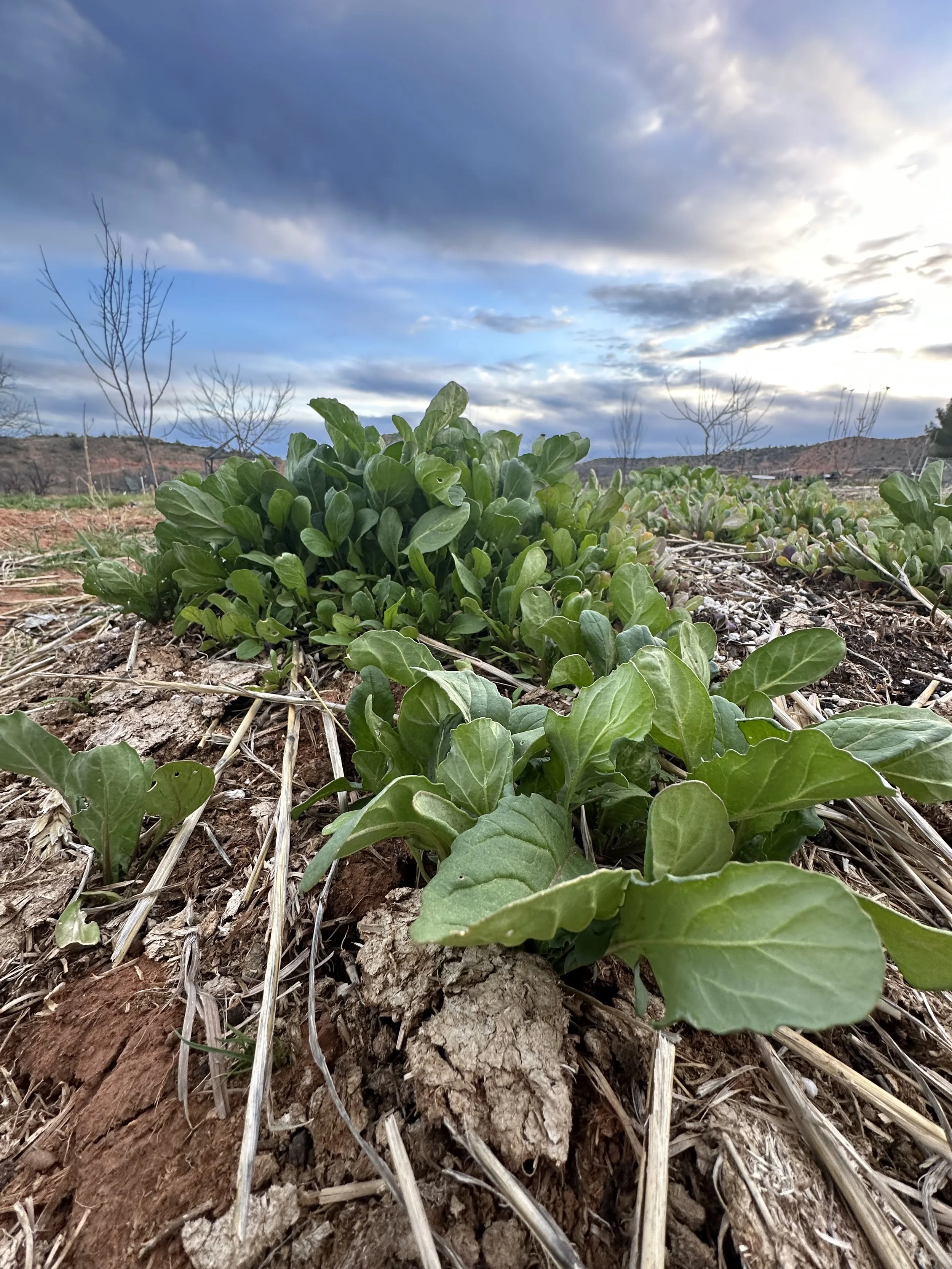
The revolution starts in the field.